Delaney's Story
These are two stories that have suddenly become one. First, the story of our little Delaney’s rare genetic mutation and its devastating prognosis. The second is the revolutionary AI technology that could potentially save her. Now it’s a race against time to build this new therapy and for Delaney to live long enough for it to work.
The larger mission becomes the third chapter of this story: an already developed AI technology that creates individualized genetic therapies for rare diseases. Done instantly and affordably using a computer and a lab, we stand at the cutting edge of medicine, treatment, and helping millions of families around the world solve their most terrifying life-and-death decisions.
PART 1: DELANEY’S STORY
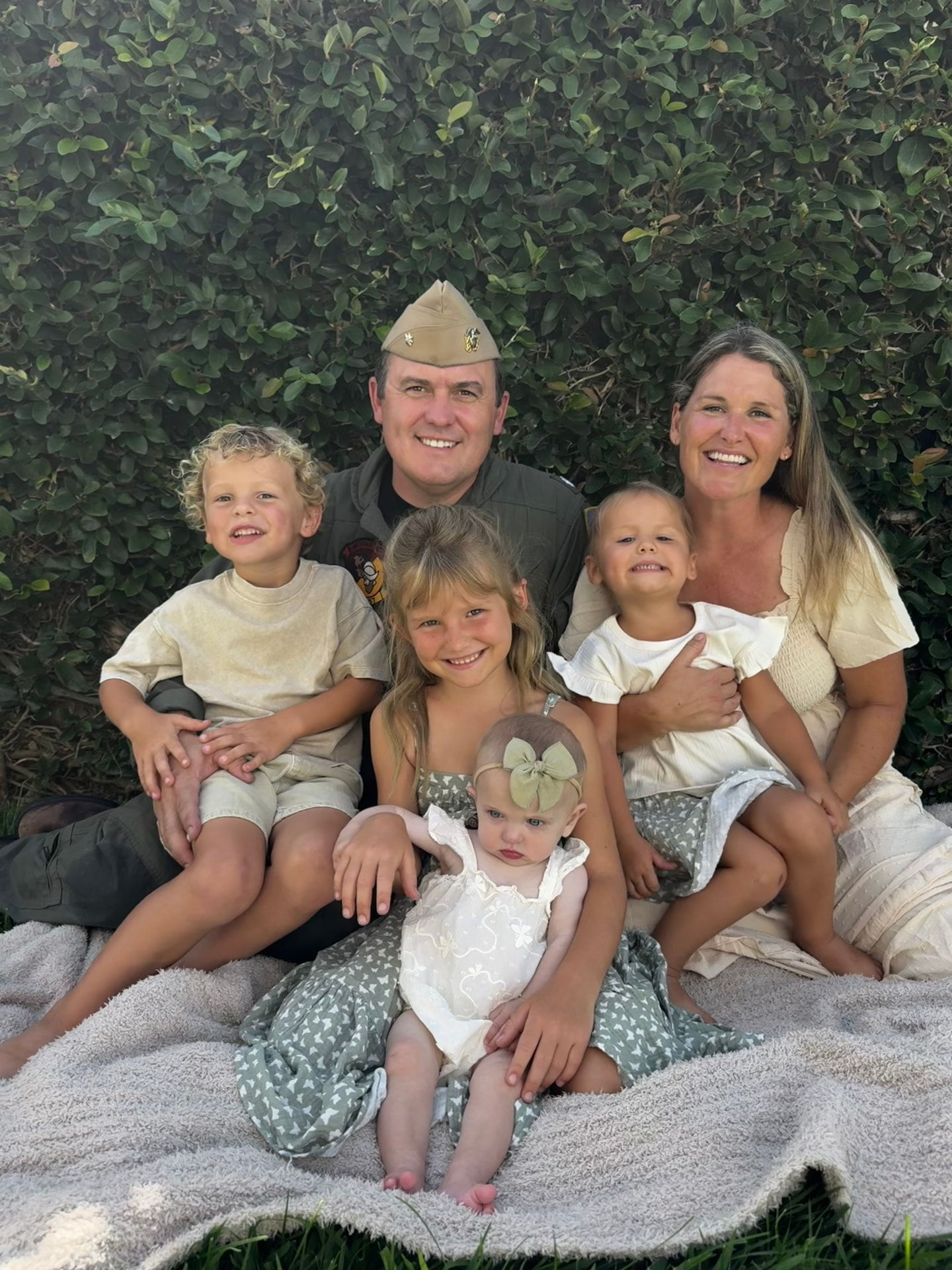
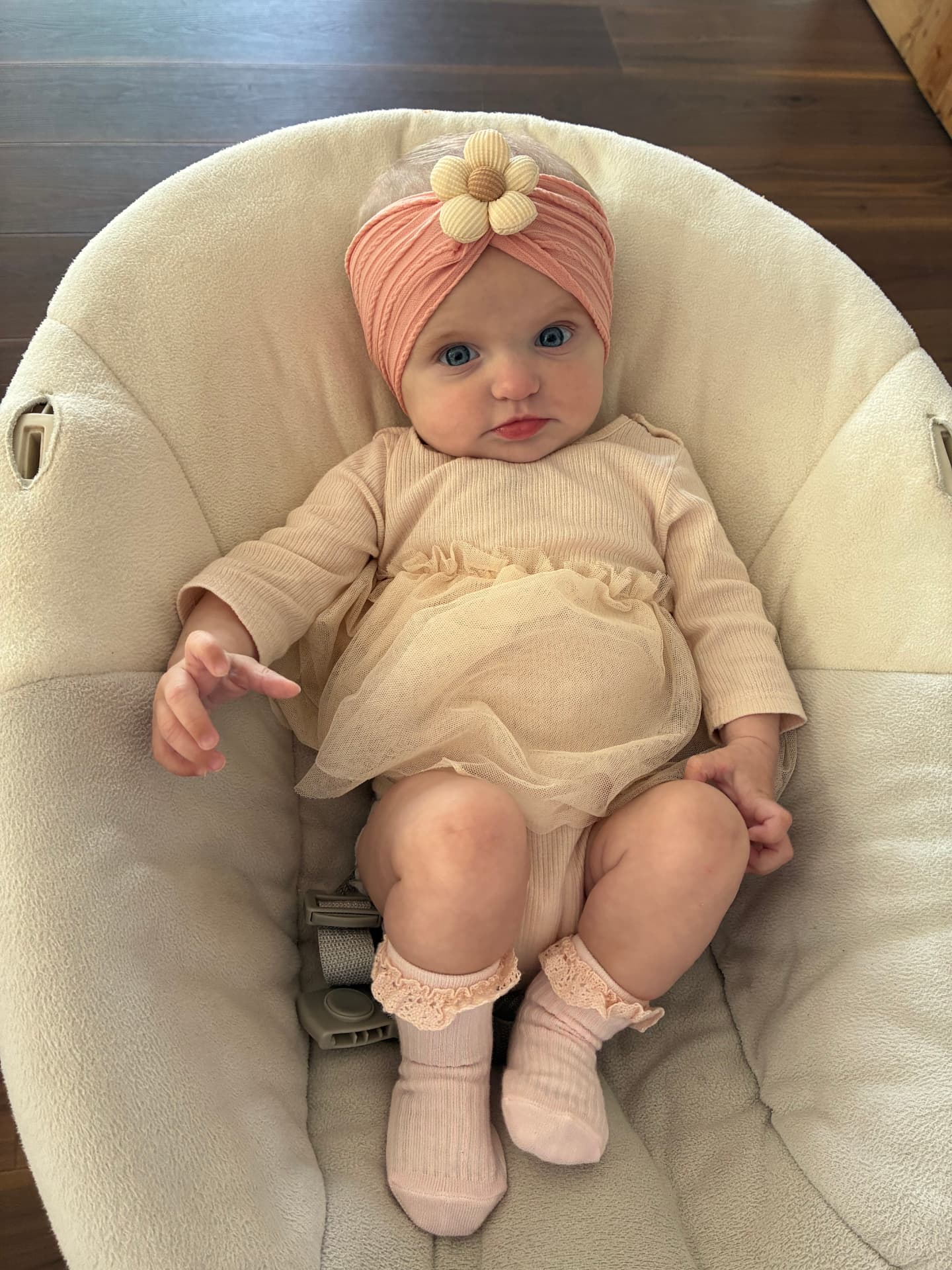
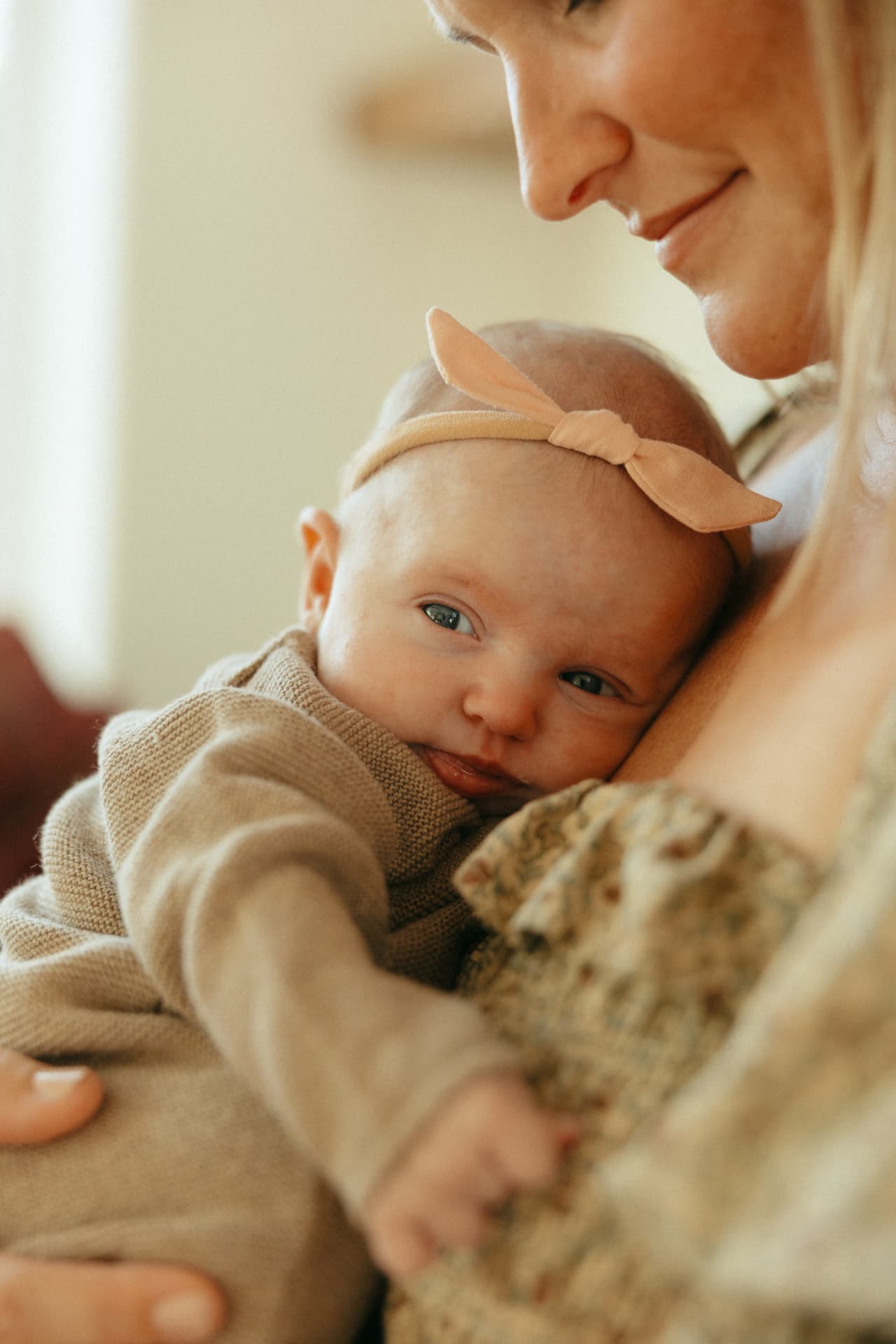
This story starts with a 9-month-old little girl named Delaney. Our daughter was born with a rare genetic disease called Noonan syndrome with Multiple Lentigines caused by a mutation in PTPN11. When Delaney was born, we were told she would have 2 days to live; later we were told she has a 20% chance of reaching her first birthday. But Delaney wasn’t interested in giving up; she had her own plan. She fought through days we weren’t supposed to have. Then weeks. Then months. Today, she is 9 months old, happy, and bringing joy to everyone around her.
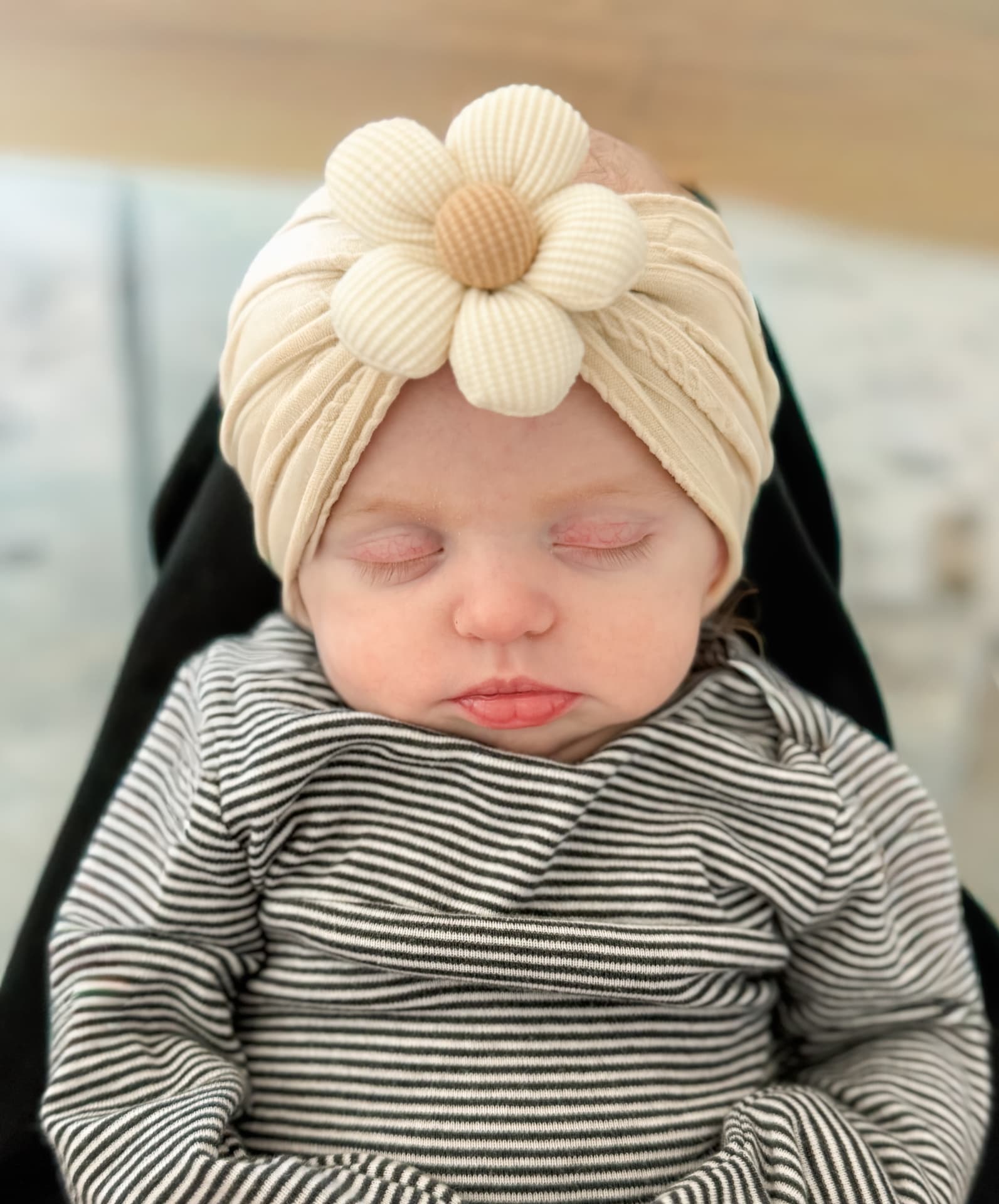
Her heart, however, is still fighting an impossible battle. She has severe hypertrophic cardiomyopathy from her genetic mutation that threatens her life with every beat. For months we believed there was one final safety net if her heart became too sick: a heart transplant. Eventually, even that door closed as the risks surrounding her underlying disease became increasingly complicated. After exhausting every conventional option available, we heard what no parent is prepared to hear: traditional medicine had reached the edge of what already existed for her, and there was nothing left to try. That’s when we learned the hard way that in the economics of the pharmaceutical industry, rare conditions are simply not profitable. The directions were now to “Go home to hospice, love your child and wait for the inevitable end..” But, Delaney is a fighter. She had already turned 2 days into 9 months. She hadn’t given up, so neither could we.
PART 2: THE CONNECTION WE ALMOST MISSED
Then came a moment that’s difficult to explain without using the word “fate.” We almost didn’t tell a new acquaintance, who happens to be a swim instructor, about Delaney’s condition. It came up in passing, the kind you almost don’t have before walking out the door. But something inside made me tell her, and she changed our lives forever when she said, “I think I might know someone that can help.” That someone, whose children had just started swim lessons that same week, was the engineer who had recently finished building an advanced AI technology with the potential to find therapies for rare genetic disorders. Fate would have it that he wasn’t sitting across the country in some inaccessible research institution, his lab was 20 minutes from our house. We quickly connected and explained our situation. He invited us over, and with his new AI model it analyzed her genome, creating nearly 25 pages of data that have never been compiled on her genetic disorder. It also gave us our first spark of hope. The odds of all of this coming together felt impossible: the right conversation, the right connection, the right technology, the right moment, we turned when traditional medicine gave up on us, all led us to the technology that could finally answer the question: How do you create medicine for a patient population of 1? What doctors have been working their entire careers to answer, this technology did within hours.
Days later, Dr. Bruce Gelb of Mount Sinai, one of the world’s leading experts on PTPN11, joined our team. Suddenly, almost overnight, we were surrounded by the building blocks of something that wouldn’t have been possible even at the start of this year. We now have the miracle recipe to save Delaney: her mapped genome, genius AI medical technology, world-leading expertise, an autonomous laboratory capable of clinical trials, and new legislation that facilitates emergency approval through the FDA. All these pieces had their separate timelines, and they all happened to land at the perfect moment for it all to fall into place. Now, we just have to beat the clock.
PART 3: THE ONE-PATIENT REVOLUTION
This incredible AI technology is advancing so fast that what’s possible today wasn’t possible even at the start of this year. It has the ability to instantaneously solve what experts have tried their entire careers to figure out. And that’s when we realized that this was never going to be only about Delaney…
There is a fundamental problem with the way humanity develops medicine. Thousands of people around the world live with rare diseases and most have faced the same cruel reality as Delaney: their disease may be scientifically fascinating, but economically unattractive.
Traditional pharmaceutical development is extraordinarily expensive and can take years. The system works best when one medicine can ultimately be sold to thousands or millions of patients. But what happens when only 500 people have your disease? What if only 50, 5, or what if you are the only 1? Until now, the answer has too often been: nothing. Not because your life doesn’t matter, but because the economics don’t work. It’s too expensive.
This AI technology can break that equation. Individualized targeted genetic therapy is the affordable, cost-effective, highly intelligent next step in health care. Imagine a future where money is inconsequential and medicine doesn’t ask, “How many people have your disease?” But rather, “what’s causing your disease?” At that point, your genome becomes the starting point. Your specific mutation is analyzed, interventions are designed, those interventions are tested on your actual stem cells, and a specific therapy emerges… for fractions of the cost and time.
We were fortunate enough to have tripped and found the only person in the world who could offer us this technology. Which is precisely the part of Delaney’s story that haunts us every day: We almost never found it. But if we can prove the model and its effectiveness with her, it can potentially be repeated, and the next family doesn’t have to stumble upon a miracle.
Delaney’s PTPN11 mutation may be the first battle we fight, but the infrastructure we build for her can then be applied to anyone. The technology is already in place, but we need your help to make it available. Let’s build this so that one day “rare” will no longer mean “there’s nothing we can do;” rather it will mean, “we’ve never seen this before. Let’s get started.”
Whatever happens with Delaney’s story, she will be honored knowing her purpose on earth was to pioneer this path for all those who come after her.
HELP US BUILD THAT PATH.
Your support funds the technology and infrastructure to make individualized genetic therapies possible for patients with rare diseases. Starting with Delaney, and built to scale for others.
- Patient-derived stem cells.
- Therapeutic design and genetic engineering.
- Laboratory testing and validation.
- Clinical development.
- Regulatory work.
- Data collection.
- The infrastructure required to make one-patient medicine repeatable.